Welcome to Kataragama, a coastal town steeped in history and vibrant tradition, but often overshadowed by its bustling fish market. Here at visitkataragama.com, we’re passionate about sharing the authentic experiences of this captivating region, and today, we're diving deep into one of its most remarkable treasures: the Kiri Vehera stupa. This ancient stone structure, dating back to the 4th century BC, isn't just a pile of rocks; it’s a window into a rich and complex Sri Lankan past, and a place of unparalleled spiritual significance.
History – Whispers of a Lost Dynasty
Kiri Vehera’s origins are shrouded in mystery, yet archaeological evidence strongly suggests it was built by the Kadampa Buddhist monks who arrived in Sri Lanka around the 3rd century AD. They were drawn to the region by the teachings of the Buddha, and this stupa became a crucial center for their faith. Its existence is linked to the reign of King Dayaঙ্গama Nayaka, a significant figure in the history of the Kingdom of Polonnaruwa, which flourished between the 2nd and 6th centuries AD. The stupa’s very existence is now understood to be linked to a complex system of subterranean tunnels and chambers – a remarkable feat of engineering for its time. While much remains unknown, the legend of the ‘King’s Secret’ – the belief that the stupa was built to house a sacred king’s body – adds an enchanting layer to its story.
The Architectural Marvel – A Second Century’s Vision
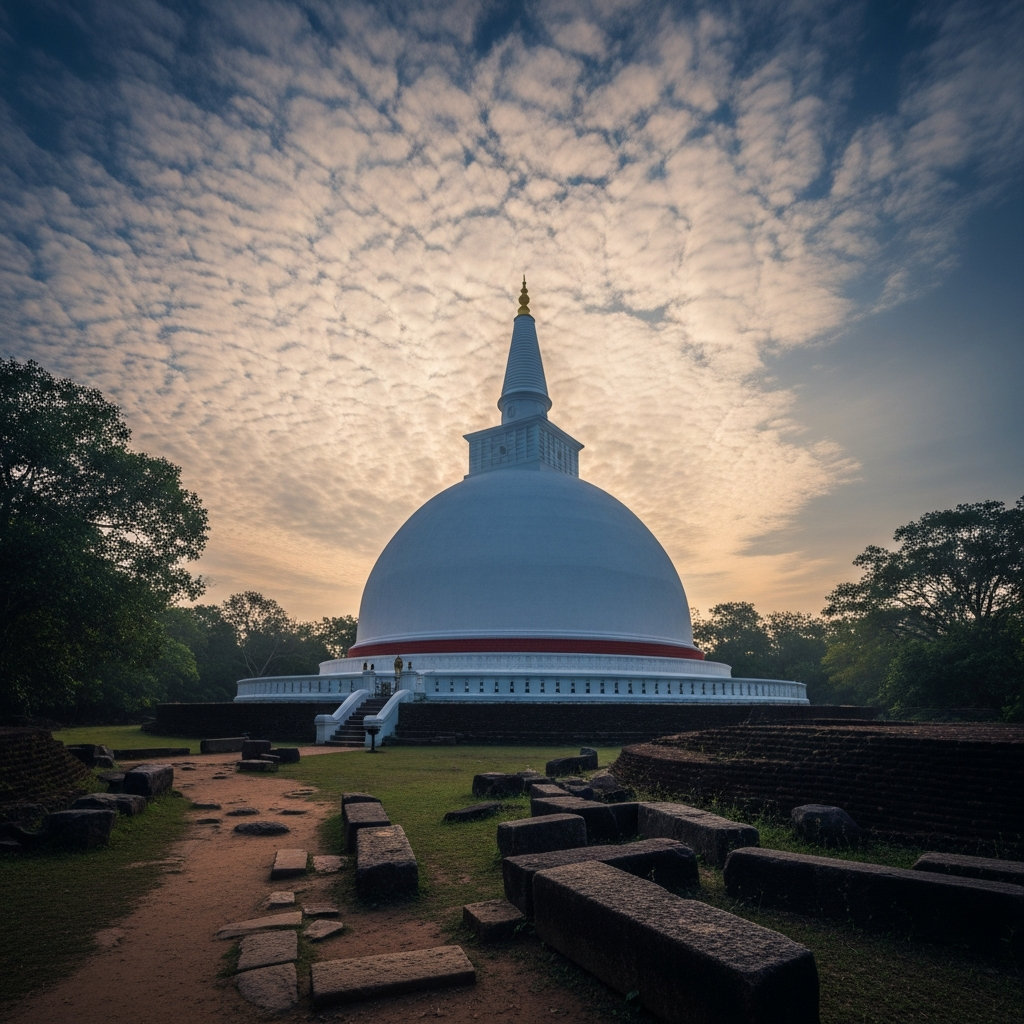
The Kiri Vehera is a stunning example of early Sri Lankan architecture. Constructed from precisely cut, white-washed stone, its most striking feature is its distinctive dome, rising to a height of approximately 20 feet. This dome is a testament to the skill and artistry of the ancient stonemasons. The structure's foundation is particularly remarkable – a series of cleverly engineered chambers and tunnels beneath the main body, which were crucial for storing sacred objects and providing a stable environment for chanting.
The Milk-White Dome – A Visual Feast
What truly sets the Kiri Vehera apart is its iconic milk-white dome. This unusual hue, believed to have been achieved through a natural phenomenon involving the limestone’s composition, is a sight to behold. The dome is a focal point of the complex, and the sheer scale of the structure is truly impressive. During the peak of the Poya day crowds, the dome is a mesmerizing spectacle, bathed in the golden light of the full moon. The sheer number of pilgrims congregating here, offering prayers and chanting, creates a palpable sense of devotion.
The Full Moon Poya Crowds – A Spiritual Gathering
The most intense activity takes place during the full moon Poya days. Thousands of pilgrims, often accompanied by their families and friends, converge on the stupa to perform rituals, offer prayers, and participate in the sacred chanting. The atmosphere is electric, a whirlwind of devotion and reverence.
Circumambulation Ritual – A Journey of Faith
Following the main offering of prayers and chants, pilgrims undertake a complete circumambulation of the stupa, circling it clockwise nine times. This ritual is a deeply symbolic act, representing a journey of faith and a reaffirmation of one’s commitment to the Buddhist path. The rhythmic chanting and the steady circling create a powerful and meditative experience.
Practicalities – Timing and Cost
* Opening Hours: Kiri Vehera remains open daily, offering regular access to visitors. The exact opening hours can vary depending on the season, so it's always advisable to check the official website for the most up-to-date information. Typically, the opening hours are between 7:00 AM and 12:00 PM, with extended hours during the morning hours.
* Cost: Entry to the Kiri Vehera is relatively affordable, with a ticket price of approximately 200 Sri Lankan Rupees (Rs). There is also a fee for photography.
* Distance: The stupa is approximately 3 kilometers (2 miles) from the main entrance of Kataragama. You can reach it by taxi, tuk-tuk, or by cycling.
Photography – Capturing the Magic
The Kiri Vehera is arguably the most photographed site in Kataragama. The full moon Poya crowds create a breathtaking spectacle, with the dome illuminated by the moonlight. However, it's important to remember that photography is restricted during the full moon to protect the stupa’s delicate structure.
Beyond the Stupa – Exploring Kataragama's Treasures
Don’t limit your visit to the Kiri Vehera. Kataragama is a vibrant town with a rich history and culture. Explore the surrounding area to discover ancient temples, bustling fish markets, and traditional Sri Lankan handicrafts.
Kataragama Festival 2026 Dates
Mark your calendars! The annual Kiri Vehera Festival 2026 will be held from September 25th to 27th. It’s a truly spectacular event, celebrating the legacy of the Kiri Vehera stupa with a vibrant parade, cultural performances, and a spectacular light show.
Yala Safari: A Journey into the Wild – Alternative to Block 1
While the Kiri Vehera is a must-see, consider a Yala safari for a truly unforgettable wildlife experience. The Yala National Park is renowned for its leopard sightings, as well as elephants, lions, and numerous bird species.
Yala Block 2 Safari – The Quiet Alternative to Block 1
For a less crowded and more intimate safari experience, the Yala Block 2 is a fantastic choice. It offers a chance to observe wildlife in a more secluded setting.
Yala Night Safari: Is It Allowed? Alternatives & What to Expect
Yala’s Night Safari offers a unique opportunity to see nocturnal animals. It’s a popular activity, so booking in advance is highly recommended.
Contact Information
For more information, please visit: visitkataragama.com
Planning Your Full Visit at visitkataragama.com
We hope this guide has inspired you to explore the wonders of Kataragama. Ready to plan your full visit at visitkataragama.com
Enjoyed this story?
Share it with fellow wanderers.